Flat File Integration: Modernizing Legacy Systems
 Cogential IT Editorial Team
Key Takeaway: Flat file integration remains a cornerstone for modernizing legacy systems, providing a flexible and robust pathway for data exchange and B2B integration. It’s not about replacing, but strategically connecting older infrastructure with new.
In today's fast-paced digital economy, businesses constantly seek ways to optimize operations, enhance data flow, and stay competitive. Yet, many enterprises grapple with the challenge of integrating their modern applications with older, often mission-critical, legacy systems. These systems, while foundational, can become data silos, hindering efficiency and agility. This is where flat file integration emerges as a powerful, pragmatic solution, acting as a crucial bridge in the journey of modernization.
As a Principal Solutions Architect at Cogential IT, I've seen firsthand how organizations can unlock significant value by strategically leveraging flat files to connect disparate systems. It’s not just about moving data; it’s about transforming it into actionable intelligence that fuels growth and streamlines B2B interactions.
Understanding Flat File Integration: The Unsung Hero of Data Exchange
At its core, flat file integration involves exchanging data between applications using simple, text-based files. Think of them as plain text documents where data is organized in a structured yet straightforward manner. Common formats include CSV (Comma Separated Values), TSV (Tab Separated Values), or fixed-width files, where each piece of data occupies a predefined number of characters.
While often perceived as a traditional method, flat file integration continues to be incredibly relevant, especially when dealing with:
- Legacy Systems: Many older mainframes and proprietary applications were designed to export or import data exclusively in flat file formats.
- Batch Processing: For large volumes of data that do not require real-time updates, flat files are an efficient and reliable method.
- EDI Transactions: Flat files frequently serve as an intermediate format in complex EDI (Electronic Data Interchange) processes, translating internal data into standardized EDI formats like ANSI X12 or EDIFACT.
- Interoperability: When integrating with diverse trading partners or third-party applications that may have varying technical capabilities, flat files offer a universally understood data exchange mechanism.
Expert Insight: Flat files are the lingua franca for many systems, making them indispensable for ensuring seamless communication across a heterogeneous IT landscape. Their simplicity is their strength.
The Modernization Imperative: Why Legacy Systems Need Flat File Bridges
Legacy systems often represent significant investments and contain invaluable historical data and business logic. A complete rip-and-replace strategy is usually too costly, disruptive, and risky. Instead, the goal is to modernize these systems by connecting them to newer applications and cloud platforms, extending their lifespan and enhancing their utility. Flat file integration serves as a critical enabler in this modernization journey.
Bridging the Data Chasm
Modern applications, like ERPs, CRMs, and supply chain management systems, thrive on structured, real-time data. Legacy systems, however, might output data in formats that are incompatible with these newer platforms. Flat file integration provides the necessary translation layer. Data extracted from a legacy system can be transformed into a flat file, then mapped and converted into a format suitable for a modern application, and vice-versa.
Enabling EDI and B2B Integration
For businesses engaged in extensive B2B interactions, EDI is non-negotiable. Trading partners exchange thousands of documents daily, from EDI 850 Purchase Orders and EDI 856 Advance Ship Notices to EDI 810 Invoices. Many legacy systems, particularly in manufacturing, logistics, and retail, still rely on flat file exports to feed their EDI translators. Flat file integration ensures that data from these core systems can be accurately and efficiently converted into EDI standard formats, enabling compliance and accelerating supply chain operations.
Consider a large retailer managing thousands of suppliers. Their internal inventory system, a legacy application, might generate daily stock updates as a fixed-width flat file. Through flat file integration, this data can be automatically parsed, transformed, and then transmitted as an EDI 846 Inventory Advice to their trading partners, ensuring accurate stock levels and preventing stockouts.
Technical Strategy for Effective Flat File Integration
Implementing a robust flat file integration strategy involves more than just moving files. It requires careful planning, robust tools, and a deep understanding of data workflows.
Secure File Transfer
Security is paramount. When moving flat files, especially those containing sensitive business data, using secure protocols like SFTP (SSH File Transfer Protocol) or FTPS (FTP over SSL/TLS) is non-negotiable. For EDI, AS2 (Applicability Statement 2) is often the preferred protocol, offering encryption, digital signatures, and message integrity. These protocols ensure that data remains confidential and unaltered during transit.
Robust Data Transformation and Mapping
The real magic of flat file integration lies in its ability to transform data. A sophisticated integration platform can:
- Parse: Read and interpret various flat file structures.
- Validate: Check data against predefined rules to ensure accuracy and completeness.
- Map: Translate fields from the source file to corresponding fields in the target system. This often involves complex logic, lookups, and conditional mapping.
- Enrich: Add supplementary data from other sources to the flat file before it's consumed by the target system.
This transformation layer is crucial for ensuring that data from a legacy system, perhaps with archaic field names or formats, can be seamlessly understood by a modern ERP or cloud application.
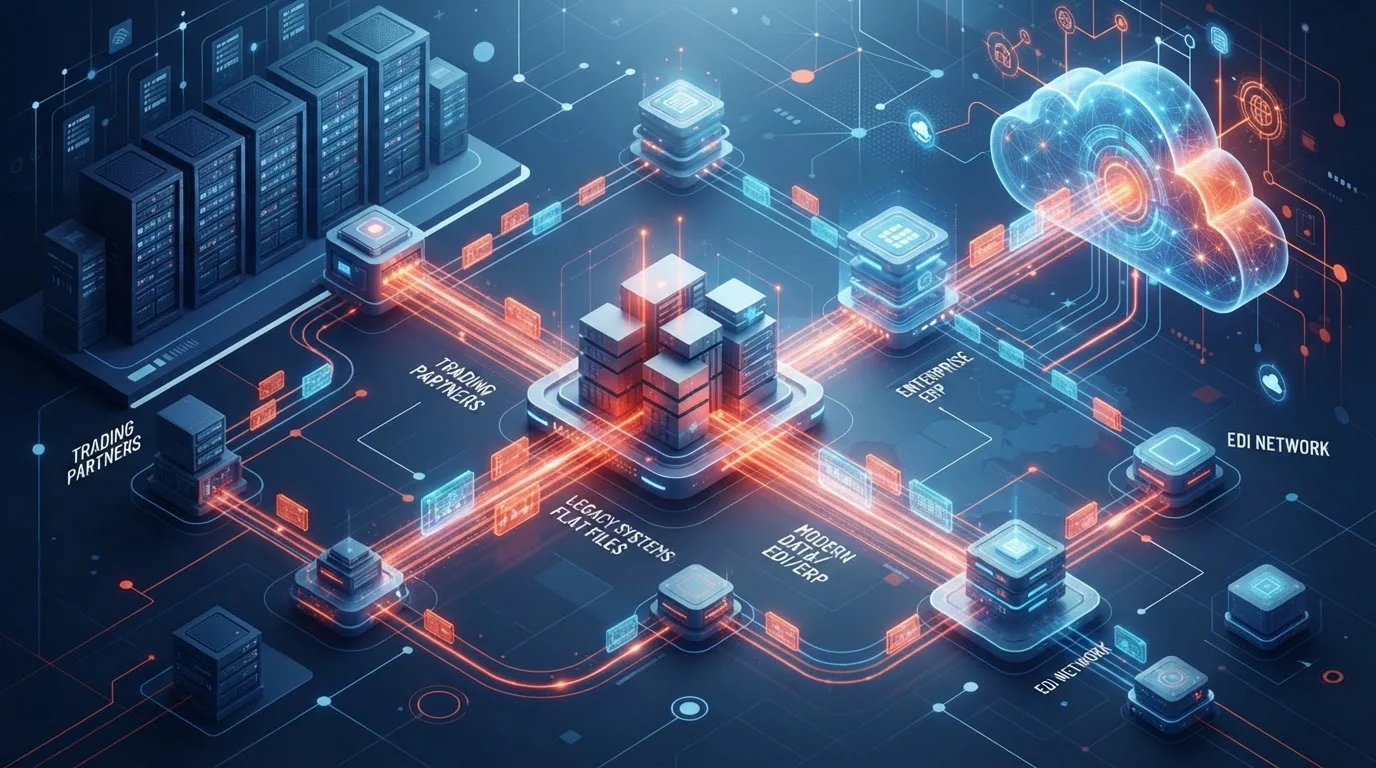
Fig 1: Simplified Flat File Integration Flow for Legacy System Modernization
Automation and Orchestration
Manual flat file processing is prone to errors and is time-consuming. Modern flat file integration solutions automate the entire workflow:
- Scheduled Transfers: Automatically pick up and deliver files at predefined intervals.
- Event-Driven Processing: Trigger integration processes upon file arrival.
- Error Handling: Implement automated alerts, re-tries, and fallbacks for failed transfers or data validation issues.
- Monitoring: Provide dashboards and logs to track file activity, status, and potential bottlenecks.
ERP Integration: A Core Use Case
One of the most common and impactful applications of flat file integration is connecting legacy systems with modern ERP (Enterprise Resource Planning) platforms. Whether it's feeding sales orders from an older order entry system into Oracle NetSuite, synchronizing product catalogs with Microsoft Dynamics 365, or updating financial records in QuickBooks, flat files provide a reliable conduit. This ensures that critical business data is consistently available across all enterprise systems, enabling a unified view of operations. We also frequently integrate with platforms like Sage and Odoo to help businesses streamline their data flows.
Benefits of Modern Flat File Integration
When implemented correctly, flat file integration offers significant advantages for enterprises looking to modernize their IT infrastructure:
- Cost-Effectiveness: Avoids the high cost and risk of replacing functional, albeit older, legacy systems.
- Improved Data Accuracy: Automated validation and transformation reduce manual errors.
- Enhanced Operational Efficiency: Streamlined data flows lead to faster processing times and reduced manual effort.
- Greater Agility: Enables quicker onboarding of new trading partners and adaptation to changing business requirements.
- Extended System Lifespan: Gives legacy systems a new lease on life by connecting them to modern ecosystems.
- Regulatory Compliance: Facilitates adherence to EDI standards and other industry-specific data exchange mandates.
"Modernization isn't always about discarding the old; sometimes, it's about building intelligent bridges to connect the past with the future. Flat file integration is one of those essential bridges, allowing legacy systems to actively participate in the digital present." - Robert Fox, Principal Solutions Architect
Looking Ahead: The Future of Flat File Integration
While newer technologies like APIs and event-driven architectures are gaining prominence, flat file integration will continue to play a vital role. Its simplicity, robustness, and widespread adoption in various industries (especially those with deep-seated legacy infrastructures) ensure its continued relevance.
The future will see flat file integration becoming even smarter, with:
- AI-powered Mapping: Intelligent tools that can learn and suggest data mappings, reducing setup time.
- Cloud-Native Platforms: Integration solutions that run entirely in the cloud, offering scalability and flexibility.
- Hybrid Integration: Seamlessly combining flat file, API, and EDI integrations into a single, unified B2B integration platform.
At Cogential IT, we are committed to providing cutting-edge cloud EDI solutions and B2B integration services that leverage the best of all worlds. Our approach ensures that your business can navigate the complexities of data exchange, whether it involves legacy systems or the latest cloud applications.
Frequently Asked Questions
Conclusion: Seamless Integration for a Modern Enterprise
Flat file integration is far from obsolete. It's a foundational, flexible, and powerful tool for B2B integration and a critical component in any enterprise's strategy for modernizing legacy systems. By leveraging advanced flat file integration solutions, businesses can ensure data accuracy, automate workflows, and maintain seamless communication across their entire ecosystem, irrespective of system age or complexity. This strategic approach not only preserves valuable investments but also propels organizations forward into a more integrated and efficient future.
Discussion & Questions (0)
Get the Industry EDI Compliance Checklist
Use this checklist to prepare your Industry EDI workflow before onboarding.
Leave a Comment