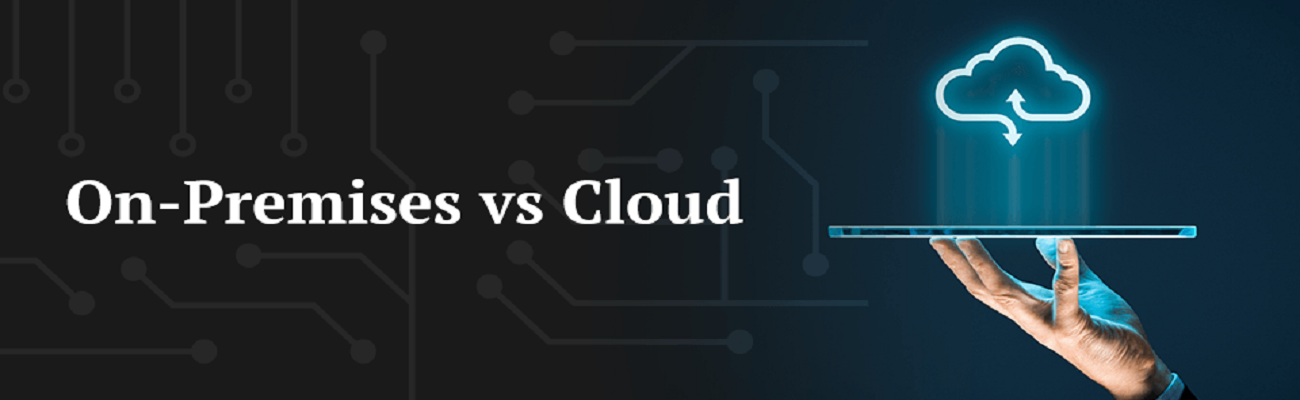
On-Premise vs Cloud: Differences & Benefits
 Cogential IT
Introduction
In today's rapidly evolving business landscape, companies are constantly evaluating the best technological infrastructure to support their operations. One of the biggest decisions they face is choosing between on-premise and cloud solutions. Both approaches have their own unique set of benefits and challenges, making it crucial for B2B businesses to understand their key differences before making a decision.
This blog will explore the key differences between on-premise and cloud solutions, their respective benefits, and the risks involved. With the latest updates to Google's algorithm, we’ve optimized this article to provide valuable, in-depth content that addresses user intent, ensuring it ranks well while delivering actionable insights.
What is On-Premise vs. Cloud?
Before diving into the differences, let’s define both terms clearly:
- On-Premise Solutions: Hosted on-site, within a company’s own data centers. Businesses purchase, install, and maintain all necessary infrastructure, with full control over the system.
- Cloud Solutions: Hosted in remote data centers, managed by a third-party provider. The company accesses its systems over the internet, paying on a subscription or usage basis.
Key Differences Between On-Premise and Cloud Solutions
1. Control and Ownership
On-Premise: Businesses have full control over their hardware and software.
Cloud: Infrastructure is owned and managed by a third-party provider, reducing management burden.
2. Cost Structure
On-Premise: High upfront investment in hardware and software.
Cloud: Pay-as-you-go or subscription model, offering cost flexibility.
3. Scalability
On-Premise: Scaling requires purchasing additional hardware, which can be costly.
Cloud: Easily scalable to meet demand fluctuations.
4. Security
On-Premise: Full security control but requires dedicated resources.
Cloud: Security is a shared responsibility, with advanced protection from providers.
5. Accessibility
On-Premise: Limited to office networks or secure VPNs.
Cloud: Accessible from anywhere with an internet connection.
Benefits of On-Premise Solutions
- Customization and Flexibility: Fully customizable to meet business needs.
- Data Control: Greater ownership of sensitive information.
- Reduced Latency: Faster access since data doesn’t travel over the internet.
Benefits of Cloud Solutions
- Cost Efficiency: No large upfront investment.
- Disaster Recovery: Built-in backup and data recovery features.
- Quick Deployment: Faster implementation and automatic updates.
- Global Accessibility: Ideal for remote work environments.
Risks and Challenges of On-Premise and Cloud Solutions
On-Premise Risks
- High initial costs.
- Ongoing maintenance burden.
- Limited scalability.
Cloud Risks
- Data security and privacy concerns.
- Potential downtime and connectivity issues.
- Compliance challenges for regulated industries.
Factors to Consider When Choosing
- Business Size & Budget: Small businesses may prefer cloud, while large enterprises might favor on-premise.
- Data Sensitivity: Highly sensitive data may require on-premise control.
- Growth Needs: Cloud is better for scalability.
- IT Resources: On-premise requires a strong IT team.
Conclusion: Which Solution is Right for Your Business?
The choice between on-premise and cloud solutions depends on your business's unique needs. On-premise solutions offer control and customization but come with higher costs and management responsibility. Cloud solutions provide scalability and cost-efficiency but may pose security concerns.
Take Action: Evaluate your current infrastructure and business needs. Consult with IT experts or cloud providers to determine the best solution for your company’s future success.
Discussion & Questions (0)
Get the Industry EDI Compliance Checklist
Use this checklist to prepare your Industry EDI workflow before onboarding.
Leave a Comment